The 2026 US Open App: When AI Helps Sports Fans—and When It Becomes Noise
AI can make a crowded tournament easier to follow, but only when it reduces choices and explains context instead of creating another stream of alerts.
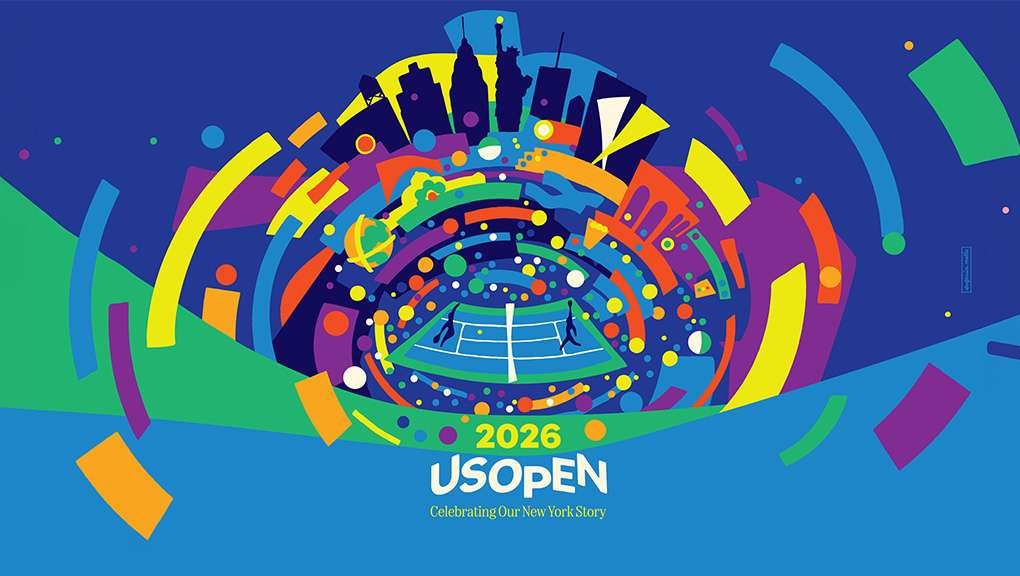
A major tennis tournament creates an information problem disguised as abundance. Multiple matches unfold at once, momentum changes before a viewer can switch courts, and the meaning of a result depends on draw position, form and schedule. IBM and the USTA are using AI-powered features in the 2026 US Open app to help fans navigate that density. The opportunity is real: a good digital companion can make the event feel coherent rather than overwhelming.\n\nThe risk is equally real. AI products often respond to complexity by producing more summaries, predictions and notifications. Fans do not need a machine to create additional content for its own sake. They need a system that knows what can be ignored. The app should therefore be judged by editorial restraint, speed and transparency—not by how often the letters “AI” appear in its marketing.
Personalization should reduce the schedule
The most useful recommendation engine narrows the tournament to a manageable set of reasons to care. A fan may follow one player, a national group and a few high-leverage matches. The app can combine those preferences with start times and court availability to create a concise watch plan. Personalization becomes less helpful when it traps the user inside prior choices and hides a breakout performance elsewhere. The ideal feed includes a small amount of serendipity and explains why an unfamiliar match is worth attention.
Live summaries need to respect the score
Tennis already has an elegant information system: the score. AI-generated context should add what the numbers cannot show, such as a tactical pattern, a run of return pressure or the importance of a medical timeout. Generic statements about momentum create noise. The feature earns trust when it points to observable evidence and updates quickly enough that the user does not receive a stale interpretation after the match has changed.
Predictions should be framed as uncertainty
Fans enjoy forecasts, but a probability can appear more authoritative than the model deserves. The app should show that predictions change with new information and avoid presenting a narrow edge as certainty. Explanations matter: surface history, recent form and in-match patterns can help a user understand why a number moved. A black-box percentage invites misinterpretation, especially when predictive language surrounds the broader media environment.
Accessibility is a better test than novelty
A tournament app succeeds when it helps more people follow the event. Clear text hierarchy, captions, readable contrast, screen-reader labels and control over notification frequency are fundamental. AI could support plain-language summaries or help fans locate relevant information, but it should not make the interface harder to predict. The best feature may be the one that quietly removes friction rather than announces its technical sophistication.
The strongest counterargument
This is an editorial evaluation of the announced features and product design, not a full hands-on review under peak tournament traffic. Real performance will depend on latency, data quality, notification timing and how the app behaves when many matches change simultaneously. Those conditions can turn a promising concept into either a valuable companion or an exhausting feed.
What to watch next
The next test is whether the feature improves a real decision after the novelty fades. Readers should watch reliability, setup friction, battery or performance cost, accessibility and the quality of the explanation attached to each recommendation. A product can surface more data without making a fan better informed. The useful standard is whether a user can understand why the system reached a conclusion, correct it when context is missing and complete the intended task with fewer interruptions.
Future updates may change the value proposition, so Gamehai will track pricing, platform support, privacy language and documented feature changes. We will also separate manufacturer claims from independently observed behavior and clearly label any assessment that is based on a demonstration rather than long-term hands-on use. The conclusion should change if the product becomes more transparent and consistent—or if real-world use exposes friction that the launch material did not show.
A useful re-evaluation should preserve the conditions around the evidence: opponent quality, score state, available personnel and the choices that created the result. Without that context, a promising trend can become a conclusion too quickly. We will compare the next sample with the mechanism described above, not merely with the final score or headline number. That approach gives readers a clear test for whether the original argument is strengthening, weakening or being replaced by a better explanation.
How Gamehai reached this view
Gamehai reviewed the primary reporting and official material linked below, then evaluated the subject through role, spacing, decision-making, roster construction and repeatable process. We distinguish confirmed facts from our analysis, avoid treating a short sample as a permanent trend and update material errors when better information becomes available. This is independent editorial analysis; no team, league, product maker or commercial partner reviewed or approved the conclusion.
Readers should treat tactical projections as informed scenarios rather than guarantees. Coaching choices, health, opponent adjustments and new regulatory decisions can change the outcome. Our standard is to explain what evidence supports the current view, what could invalidate it and what to watch next.
Editorial bottom line
The 2026 US Open app has the right problem to solve: helping fans understand a tournament that is too large for one screen. AI helps when it filters, contextualizes and admits uncertainty. It becomes noise when it adds content without making the next fan decision easier.