Wahoo Fitness Metrics Analysis: Training Capacity Is a Better Question Than “What Is My FTP?”
Wahoo is trying to replace a single fitness number with a profile of what an athlete can do—and how ready that athlete is to absorb more work.

Independent analysis of sports technology, media products and fan experiences, with methodology and limitations clearly disclosed.
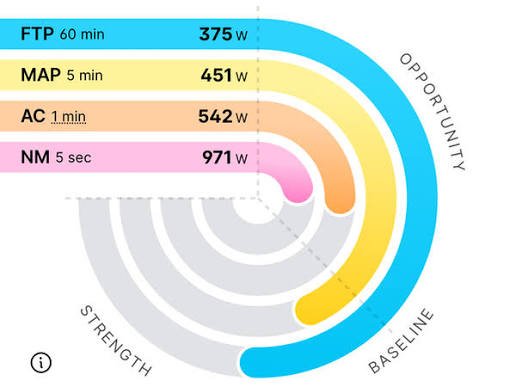
Wahoo is trying to replace a single fitness number with a profile of what an athlete can do—and how ready that athlete is to absorb more work.
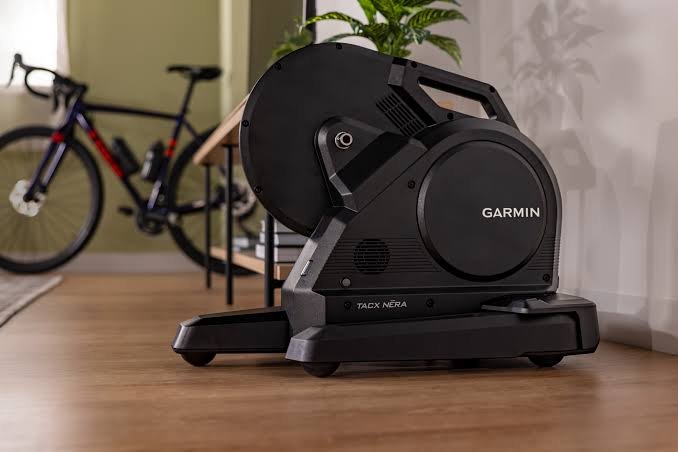
Tacx Nēra’s most interesting specification is not its 2,200-watt ceiling. It is the decision to let a stationary bike move under the rider.
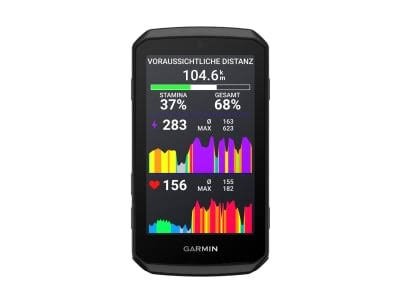
The Edge 1060’s headline feature is not another data field. It is an attempt to move common mid-ride decisions away from a touchscreen and back into the rider’s voice.
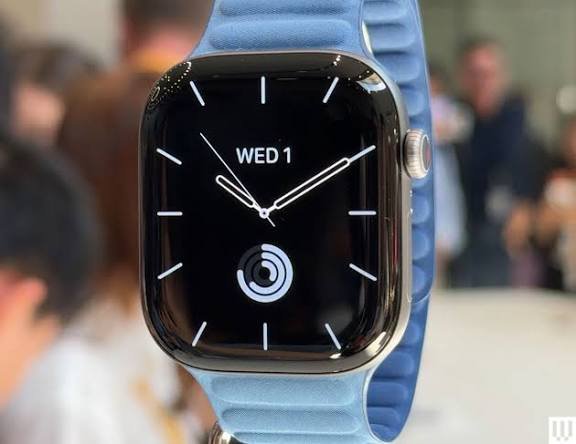
Apple finally gives athletes a simple answer to “how hard should I go today?” The difficult part is knowing when that answer deserves to be ignored.
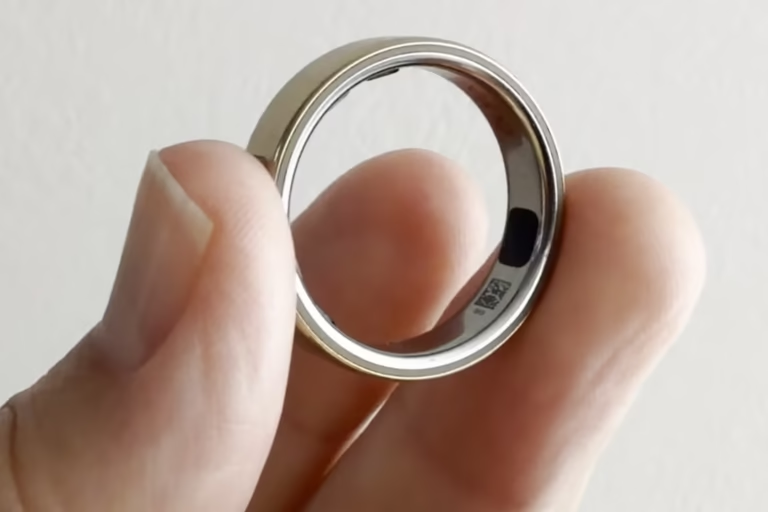
The smaller ring is welcome. The bigger story is software that wants to decide which changes in your health are important enough to interrupt you.
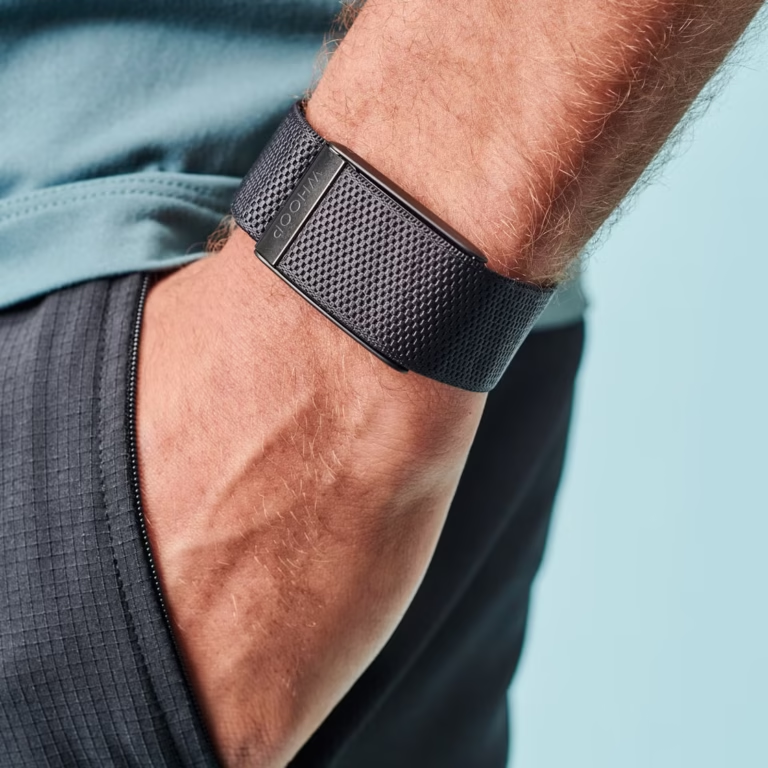
WHOOP is becoming useful beyond training, but every new health layer makes it more important to know what the membership is actually for.
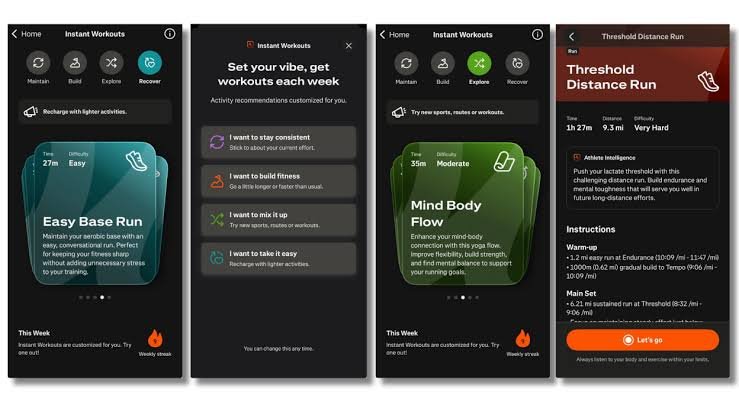
Strava is good at helping people want to move. Its recommendations work best when they preserve that motivation without pretending to replace a coach.
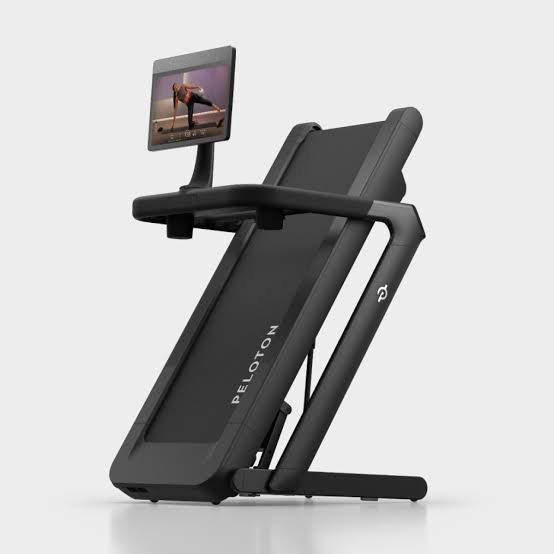
Peloton’s smartest 2026 running idea may be the least futuristic one: make the treadmill easier to fit into an ordinary home.

IBM and the USTA added personalized live updates and a Serve Quality metric to the 2026 US Open app and website.
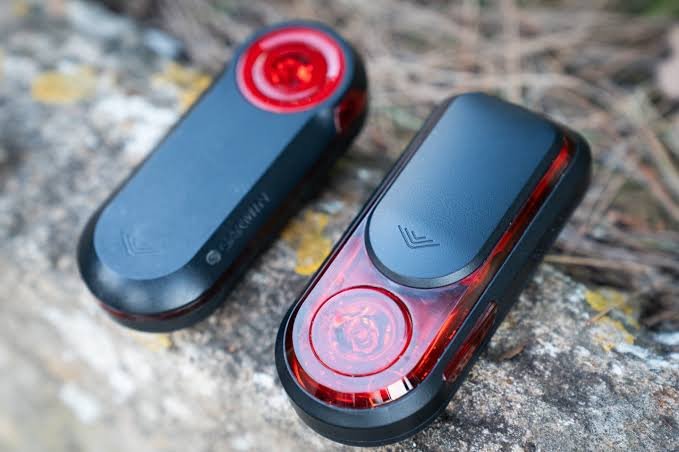
The Varia RearVue 820 combines rear-approach radar, a 100-lumen day flash and long battery estimates for riders who prioritize visibility.
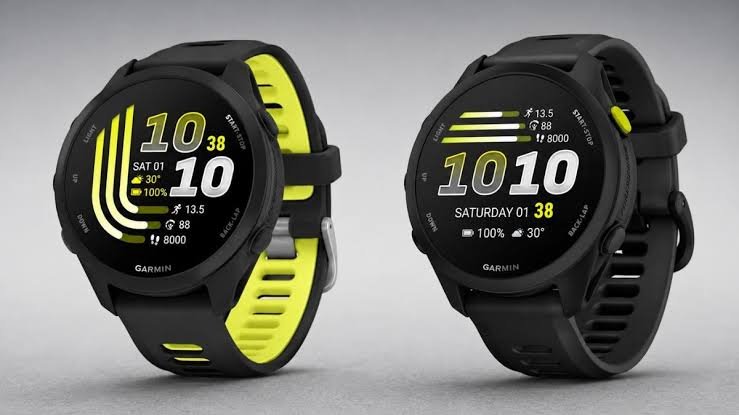
The Forerunner 70 and 170 share a 1.2-inch AMOLED display, but the 170 adds an altimeter, Garmin Pay and broader training features.
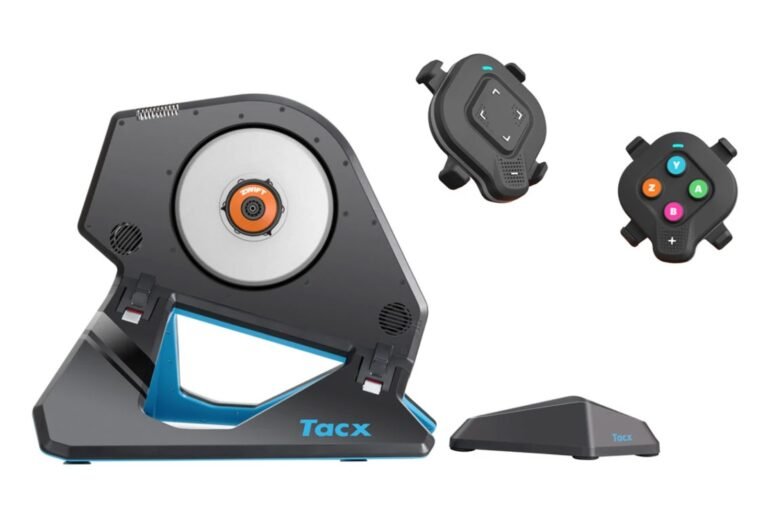
Garmin’s Tacx NEO 2T bundle arrives with Zwift Cog and Click preinstalled, reducing setup friction for riders using Zwift or ROUVY.