Missouri’s 45–17 Upset Was a Warning About Florida’s Defensive Math
Florida entered with momentum and left with a math problem: it could not add enough bodies to the run without giving Missouri clean answers through the air.
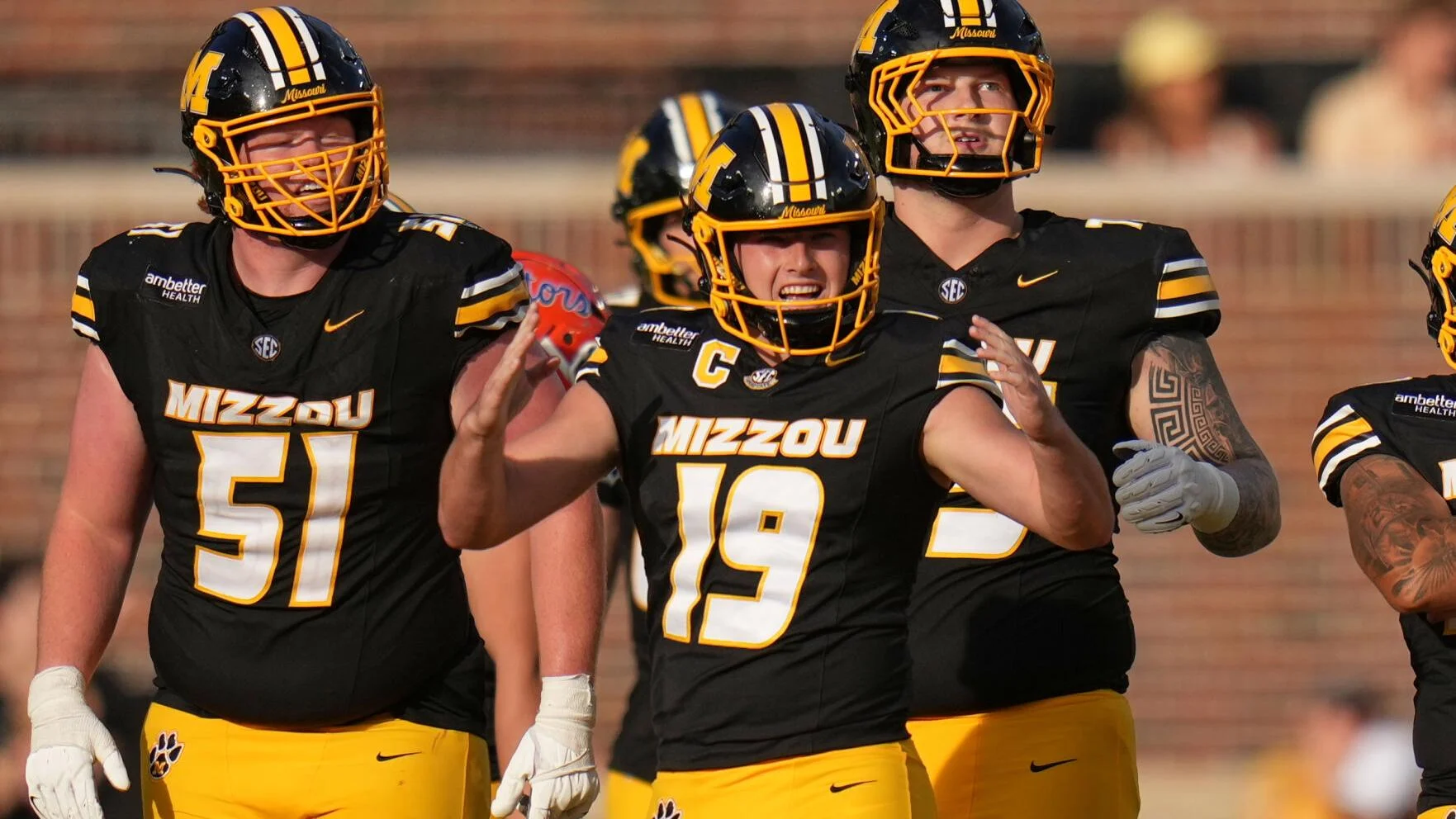
No. 25 Missouri’s 45–17 win over No. 8 Florida was not a narrow upset inflated by one strange bounce. Quarterback Austin Simmons completed 23 of 30 passes for 340 yards and two touchdowns. Running back Jamal Roberts added 211 rushing yards and three scores, joining Derrick Henry as the only backs cited by NCAA.com to reach 200 yards and three rushing touchdowns against a top-10 opponent.\n\nThose lines describe a defense that lost two arguments at once. Florida could not control the run with standard spacing, and it could not commit extra support without exposing throws. Missouri kept forcing the Gators to choose, then attacked the choice instead of insisting on one offensive identity.
Roberts made light boxes untenable
A defense prefers to keep two safeties available when it respects the quarterback and receivers. Roberts punished that preference by turning ordinary runs into efficient gains and explosive finishes. Once the first level could not control gaps, the second level inserted earlier. That shortened reaction time and enlarged the consequence of one missed fit. His 211 yards were leverage that changed every other defender.
Simmons punished the correction
Completing 23 of 30 passes reflects more than accuracy. Missouri repeatedly gave Simmons defined answers against Florida’s adjustments. When a safety stepped toward the run or a linebacker vacated a window, the passing game replaced that defender with the ball. He did not need to chase low-percentage throws; 340 yards made the cost of extra run support explicit.
Early-down success protected the playbook
Positive runs and efficient throws created manageable downs, allowing Missouri to repeat formations while changing outcomes. That sequencing makes a defense feel slow because every key begins from the same picture. Florida was not only losing one-on-one. It was spending valuable fractions of a second deciding which threat deserved priority.
Recent success may have distorted Florida’s plan
The Gators arrived after an emphatic win over a top-five Ole Miss team. A previous result can encourage a staff to trust the same pressure points too long. Missouri presented a different problem. The correction was not simply more effort; Florida needed different arithmetic—alter the front, spill runs toward help or disguise the extra fitter without handing Simmons an immediate window.
Missouri must now beat the blueprint
Future opponents will devote more resources to Roberts and challenge Simmons against late rotations. Expect heavier boxes, run blitzes and coverage that appears vulnerable before closing the first read. Missouri’s answer is visible: retain formations, use play action and make the outlets precise. A signature upset becomes a foundation only when the mechanism survives study.
What could change this assessment
One game does not define Florida’s defense or Missouri’s season. Explosive performances can contain missed tackles and communication errors that are correctable. Missouri will also face different personnel and more conservative structures. The result is best treated as a diagnostic: Florida’s answers to run and pass were too expensive to combine.
Gamehai verdict
Missouri earned its first top-10 win since the 2023 Cotton Bowl by refusing to let Florida choose a comfortable defensive number. Roberts forced the box to tighten; Simmons made the tightening costly. Balanced offense is not equal run and pass volume. It is making every defensive adjustment wrong differently.
How Gamehai reached this view
Gamehai reviewed the first-party material below, separated reported facts from editorial interpretation and tested the central claim against plausible alternatives. Product reviews disclose the limits of our testing; game analysis focuses on repeatable decisions rather than treating one result as permanent proof. No company, league, team, athlete or sponsor reviewed or approved this article.