Garmin fēnix 9 and fēnix 9 Pro First Look: Who Should Upgrade?
Garmin’s fēnix 9 line adds brighter displays, more storage and new training tools, while Pro models bring titanium and optional satellite/LTE connectivity.

Independent analysis of sports technology, media products and fan experiences, with methodology and limitations clearly disclosed.
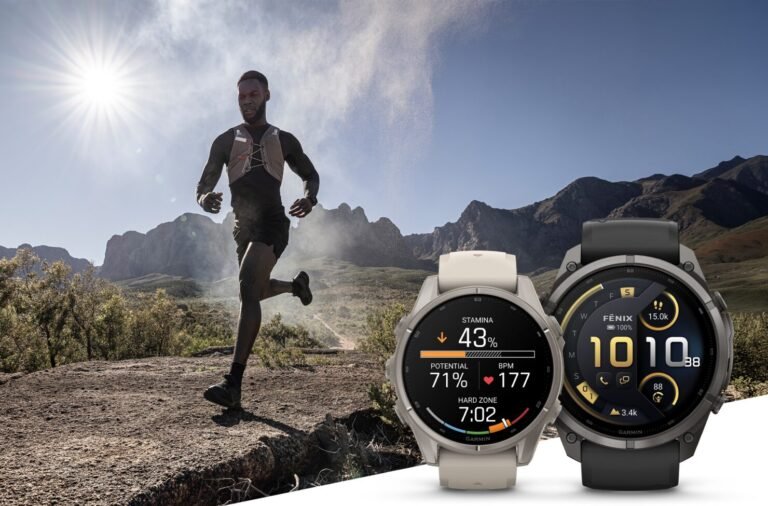
Garmin’s fēnix 9 line adds brighter displays, more storage and new training tools, while Pro models bring titanium and optional satellite/LTE connectivity.
The late-summer NHL free-agent market is less glamorous than July 1, but it can still reveal roster needs, leverage and useful depth opportunities.
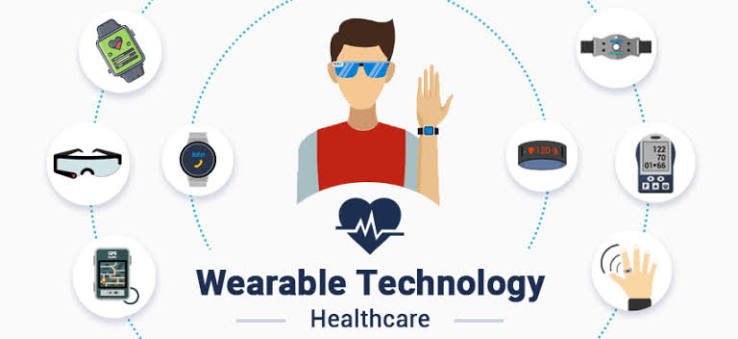
The fēnix 9 is not merely trying to record a workout. Garmin wants the watch to influence what the athlete does next, which raises the standard for every recommendation.

AI can make a crowded tournament easier to follow, but only when it reduces choices and explains context instead of creating another stream of alerts.
ESPN’s direct-to-consumer service has the scale to become a sports home; it still has to make rights, personalization and price feel simpler than the market around it.
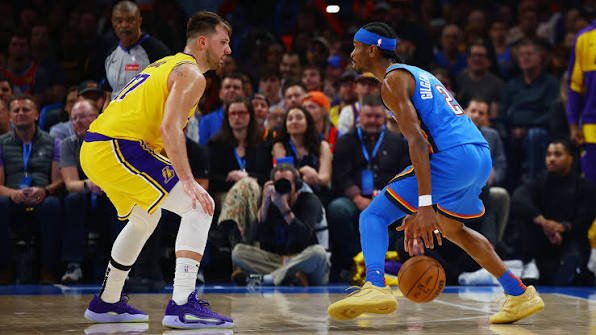
Tap to Watch is useful because finding a game has become work. Its success depends on accurate location, subscription and handoff information.
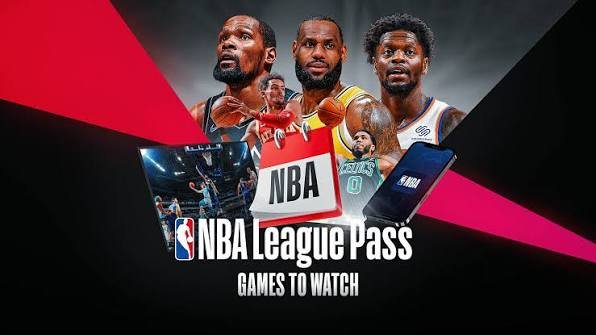
League Pass gives serious basketball fans exceptional depth; the harder problem is helping them decide which of hundreds of available games deserves the screen.

MLB.TV is more flexible in 2026, yet the best package still depends less on feature count than on where a fan lives and which games remain elsewhere.
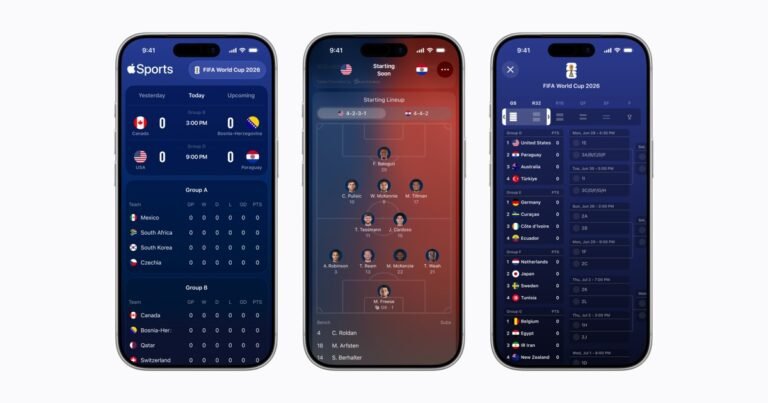
Apple Sports succeeds when it gets out of the way; its next challenge is adding tactical context without losing the speed that made it useful.