Oura Ring 5 Early Review: Health Radar Is the Feature That Changes the Product
The smaller ring is welcome. The bigger story is software that wants to decide which changes in your health are important enough to interrupt you.
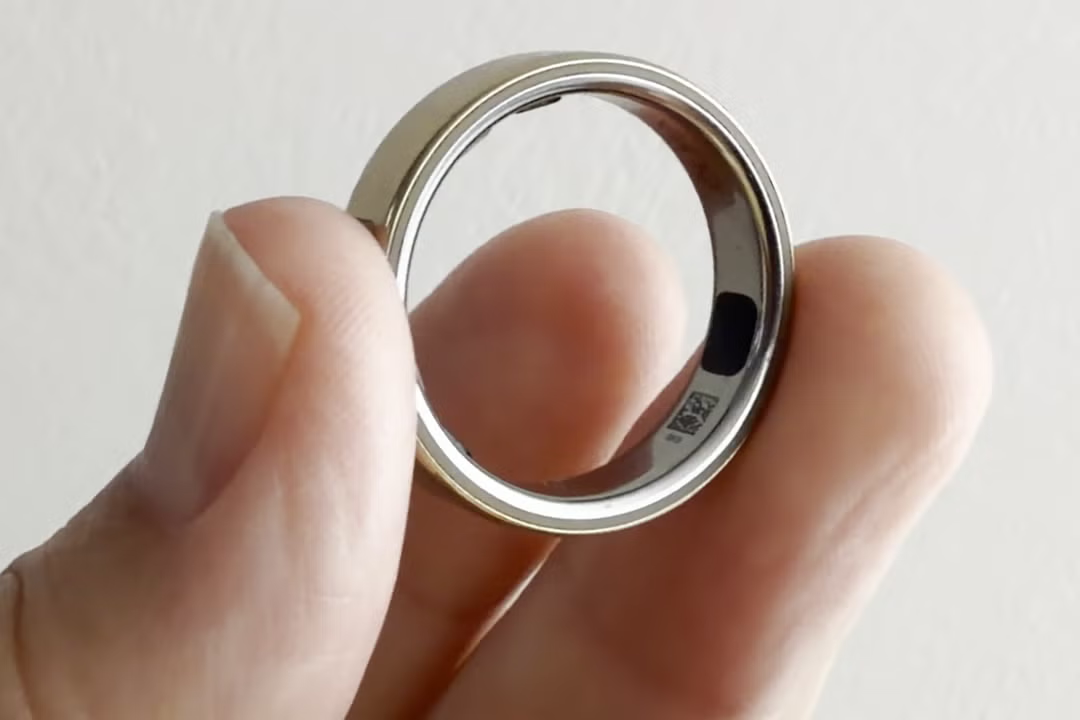
Oura Ring 5 arrives with the kind of hardware improvement a wearable needs: it is thinner, lighter and easier to keep on. Comfort matters because the ring earns value through continuity. A brilliant sensor left on a nightstand produces no insight. Yet the defining change is Health Radar, software designed to scan longer-term cardiovascular and respiratory signals and surface patterns that may deserve rest, a lifestyle change or a clinician conversation.\n\nThat moves Oura into consequential territory. Recovery guidance asks, “What should I do today?” A proactive health alert can feel like, “Something may be wrong.” The feature could close the gap between a subtle change and useful action. It could also create anxiety if the app cannot explain confidence, false alarms and what the ring does not know.
Health Radar changes the relationship
Oura says Health Radar builds on Symptom Radar and adds blood-pressure signals and nighttime breathing. The promising design choice is selectivity: it should run quietly and surface patterns worth attention instead of forcing users to inspect every chart. A notification should describe the observed change, compare it with the user’s baseline and distinguish a wellness signal from a diagnosis. Sometimes the most responsible prompt will be to keep monitoring.
Comfort is a performance feature
A smaller ring is not merely cosmetic. Fingers swell, grips change and people remove uncomfortable devices during strength work or overnight. Reducing bulk can improve adherence and therefore the baseline behind every insight. Buyers should still use the sizing process and consider their main activities. Rings can be awkward with barbells and do not replace a watch for athletes who need a live screen.
Live tracking fills a real gap
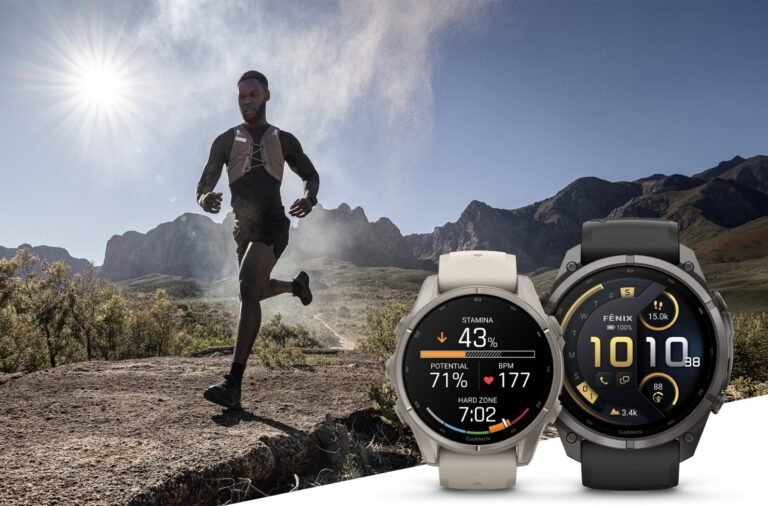
Oura has been strongest after a workout, when activity can be placed inside sleep and recovery context. Live Activity Tracking brings current metrics to the phone during runs, rides, walks and gym sessions. It will not automatically beat a sports watch for interval pacing, navigation or races, but it reduces the need for a second device during casual training.
The ring is becoming a health platform
GLP-1 insights, lab uploads, privacy controls and AI-enabled guidance stretch Oura beyond sleep. Connecting medication, biomarkers, activity and recovery may reduce app fragmentation, while concentrating sensitive information in one place. Before enabling every connection, users should review what is imported, how it is used, how it can be deleted and whether the additional insight is worth the exposure.
Who gets the most from Ring 5
Ring 5 suits a person who prioritizes sleep, wants passive recovery context and dislikes a watch overnight. The case is weaker for satisfied owners of recent Oura generations because much of the software also reaches Gen3 and newer rings. It is also weaker for athletes who mainly need live maps or power targets. The recurring membership cost belongs in every comparison.
What could change this assessment
This assessment uses Oura’s official product information; it is not a clinical validation or months-long hands-on test. Health Radar is not a diagnosis, availability differs by region and useful alerts need independent validation. Anyone with symptoms or health concerns should seek qualified medical advice rather than wait for a ring.
Gamehai verdict
Ring 5 is easier to recommend for its direction than any single headline number. If Health Radar remains selective, transparent and easy to disable, it can make the ring feel less like a dashboard and more like a considerate early-warning companion.
How Gamehai reached this view
Gamehai reviewed the first-party material below, separated reported facts from editorial interpretation and tested the central claim against plausible alternatives. Product reviews disclose the limits of our testing; game analysis focuses on repeatable decisions rather than treating one result as permanent proof. No company, league, team, athlete or sponsor reviewed or approved this article.