Peloton Tread Flex Early Review: The Foldable Treadmill Matters More Than the AI
Peloton’s smartest 2026 running idea may be the least futuristic one: make the treadmill easier to fit into an ordinary home.
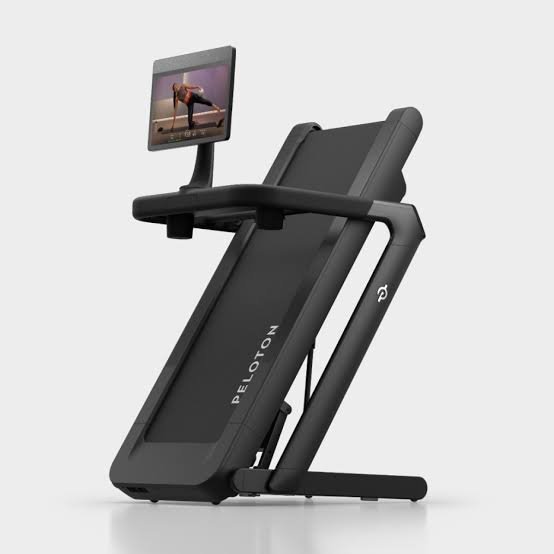
Home fitness products often advertise intelligence while ignoring why people stop using them: the machine takes over the room. Peloton Tread Flex addresses that obstacle as the company’s first foldable treadmill and most accessible treadmill by price. It launches beside Tread Vision and Tread+ Vision while Peloton IQ adds pace targets, heart-rate-zone guidance and form analysis on supported equipment.\n\nThe hardware and software tell different stories. Folding reduces friction before and after the session. AI coaching tries to improve the session. For many buyers, the first problem matters more. A treadmill that can be stored may create more consistent use than a sophisticated model that becomes expensive furniture.
Folding only helps when the routine is believable
A foldable deck can return floor space, but each setup step becomes part of the habit. Buyers should check folded dimensions, ceiling and door clearance, floor protection, outlet location and whether one person can move it safely. “Space-saving” matters only if unfolding is easy. The useful showroom test is not top speed; it is folding, moving and reopening the machine as it would happen on a tired weekday.
Peloton IQ should guide rather than grade
Personalized pace targets can make intervals easier because users no longer translate a cue into speed. Heart-rate-zone guidance can support controlled aerobic work. Both should allow manual adjustment and explain how targets were set. A runner returning from illness, heat or poor sleep may need to override recent-performance data. Adaptation is not failure.
Form analysis needs visible limits
Peloton says supported Vision hardware will use cadence, vertical oscillation and stride length to create an efficiency score and tips. Those metrics can reveal trends, but no single preferred stride fits every body and pace. The feature should notice changes under fatigue and frame questions for a coach or clinician, not diagnose injury from a camera.
The ecosystem is the main reason to buy
Peloton’s differentiation is the mix of instructors, music, programs, community and an interface that reduces choice. Someone who enjoys that style may train more consistently than with a technically stronger machine. Membership cost and software dependence belong in the total. Compare several years of ownership with a simpler foldable treadmill and apps already available on a phone.
Which model makes sense
Tread Flex is the practical choice for limited space and guided walking, hiking or running. Vision models fit people who will use camera analysis and can leave the machine open. Tread+ Vision targets runners who value a slat belt and premium build. The right model is the one whose physical routine and software features remain useful after launch excitement fades.
What could change this assessment
This is an early editorial review based on Peloton’s launch information, not a durability or long-term hands-on test. Noise, stability, deck feel, moving effort and coaching accuracy need real-world evaluation. Verify current specifications and membership terms before purchase.
Gamehai verdict
Peloton’s AI may make training feel personal, but Tread Flex succeeds on a simpler promise: can more households live comfortably with it? If setup is genuinely easy and the core running experience is stable, the fold may create more health value than any efficiency score.
How Gamehai reached this view
Gamehai reviewed the first-party material below, separated reported facts from editorial interpretation and tested the central claim against plausible alternatives. Product reviews disclose the limits of our testing; game analysis focuses on repeatable decisions rather than treating one result as permanent proof. No company, league, team, athlete or sponsor reviewed or approved this article.