LaMelo Ball and Anthony Edwards Already Showed Minnesota’s New Offensive Shortcut
Seventeen preseason minutes cannot reveal a finished offense. They can reveal the easiest reason the experiment might work: the ball can advance before a defense is ready.
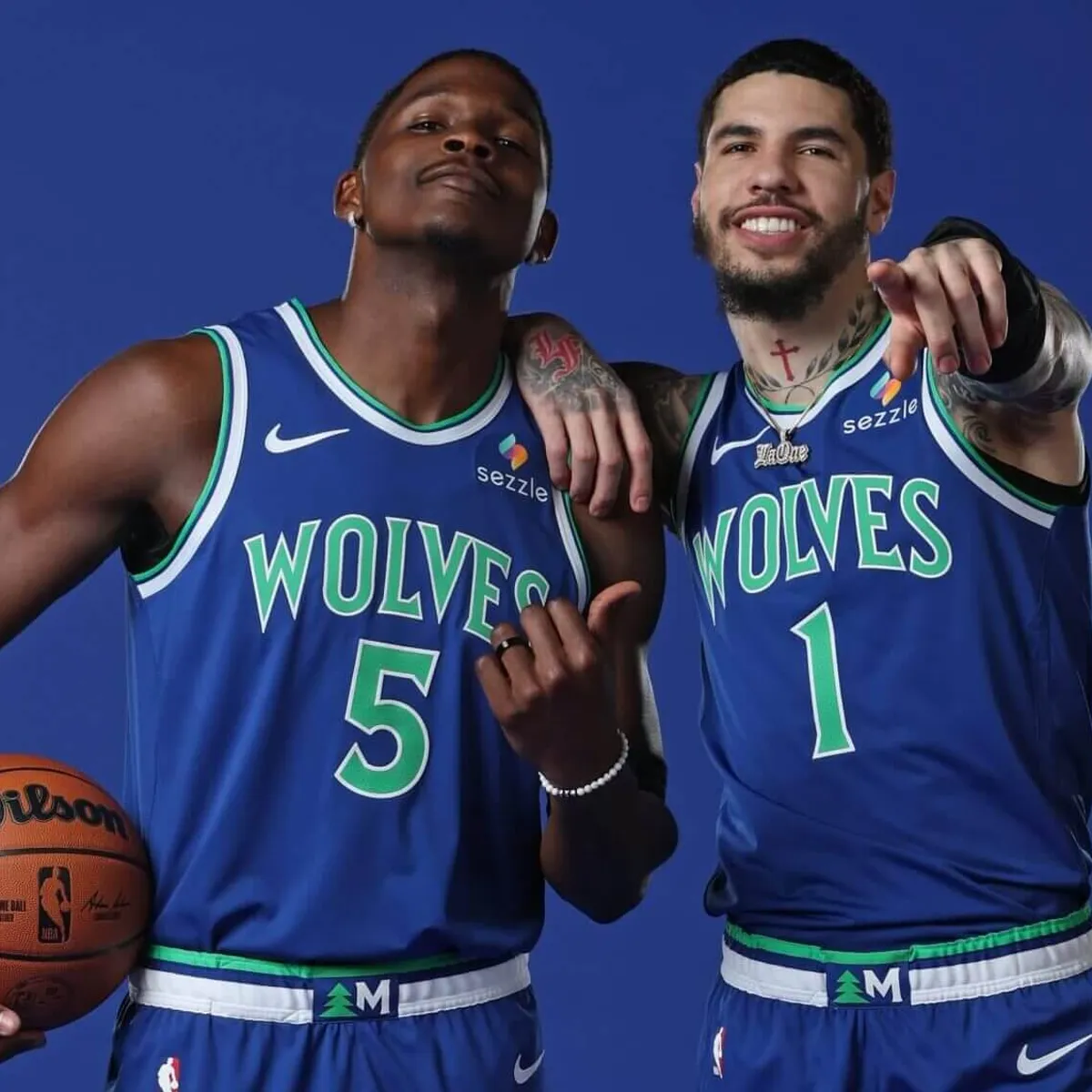
LaMelo Ball needed roughly ten seconds of his Minnesota preseason debut to find Jonathan Kuminga for the opening basket. By the end of 17 minutes, Ball had 11 points, four rebounds and three assists; Anthony Edwards added 14 points, four rebounds, two assists and two blocks. The Timberwolves beat Milwaukee 116–97, and the new backcourt produced several glimpses of instant connection.\n\nPreseason numbers deserve caution. Rotations are short, opponents are installing systems and the score carries limited stakes. The useful evidence is conceptual. Ball gives Minnesota a passer who can advance the possession before the defense establishes its shell. Edwards gives that speed a devastating destination.
The first advantage can arrive without a call
Ball’s gift is not only passing accuracy but how quickly he sees the next space. A rebound can become a hit-ahead pass before Minnesota calls an action. Edwards no longer has to create every advantage from a stationary alignment. He can sprint into a tilted floor, attack a cross-match or receive the ball while the defense is still identifying assignments.
Edwards can become more selective
Minnesota does not want less aggression from Edwards; it wants better conditions around it. Ball can carry organizational burden, allowing Edwards to begin as a cutter, screener or transition finisher before becoming the primary option late. That variety makes the star harder to load up against and preserves energy for possessions that truly require isolation.
Ball’s shooting keeps the exchange honest
Ball made two three-pointers in the debut, reminding defenders that they cannot simply duck under actions and turn him into a passive organizer. If the defense traps Edwards, Ball can receive the release pass and attack four-on-three. If it switches, Minnesota can choose which guard attacks the mismatch. Two credible creators make it harder to identify where the possession really begins.
The defensive question remains
The partnership survives deep into the season only if Ball contributes to early matchup identification, screen navigation, low-man rotations and rebounding. Edwards’ two blocks show playmaking ability, but Minnesota needs connected possessions rather than occasional events. Size and switching can protect the guards, though every solution carries a matchup or rebounding cost.
Half-court pressure is the real test
Opponents will retreat and force Minnesota to execute after the first action stalls. Ball and Edwards need a shared second-side language: when to re-screen, clear a mismatch and locate the outlet against a blitz. Preseason chemistry looks best on broken floors. Championship chemistry appears when a defense removes the preferred option and both stars reach the same counter.
What could change this assessment
Milwaukee used preseason rotations, and 17 minutes cannot establish efficiency or closing lineups. Ball’s availability, Minnesota’s defensive balance and the role of other creators will shape the partnership more than one fast start. The debut is evidence of possibility, not a finished hierarchy.
Gamehai verdict
Minnesota’s shortcut is simple: let Ball accelerate recognition and let Edwards attack the advantage. The fit becomes serious if the pair reproduce that clarity in the half court and defend well enough to keep transition alive. The first look showed why the questions are worth watching.
How Gamehai reached this view
Gamehai reviewed the first-party material below, separated reported facts from editorial interpretation and tested the central claim against plausible alternatives. Product reviews disclose the limits of our testing; game analysis focuses on repeatable decisions rather than treating one result as permanent proof. No company, league, team, athlete or sponsor reviewed or approved this article.