The Second-Apron Summer: Why NBA Teams Are Buying Optionality Instead of Names
The 2026 offseason rewarded teams that preserved more than talent. They preserved the ability to make the next move.

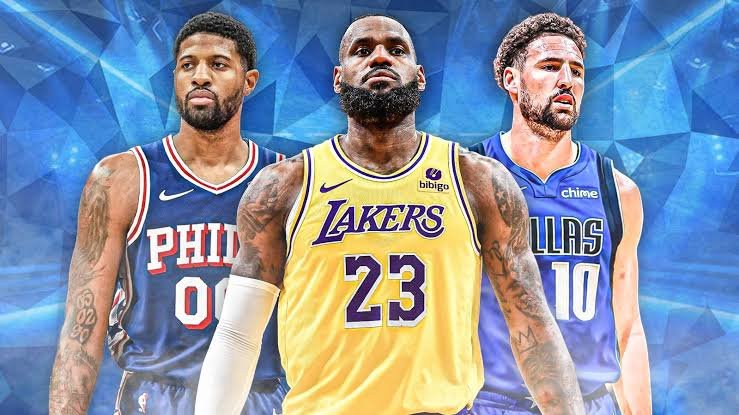
The 2026 offseason rewarded teams that preserved more than talent. They preserved the ability to make the next move.
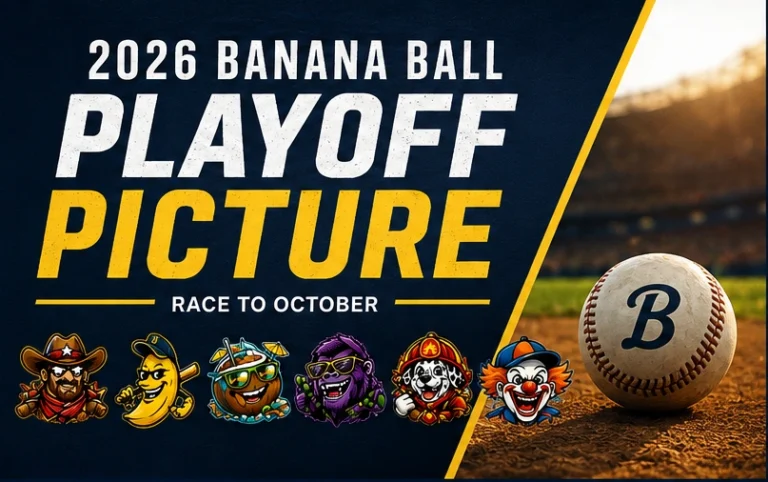
A crowded race does not mean every contender is equally complete; it means several flawed teams possess one strength capable of carrying a month.

Draft night orders prospects. Development determines which skills survive the jump from projection to NHL responsibility.

Every camp has the same calendar length on paper; the advantage lies in how a team sequences contact, installation and honest evaluation.
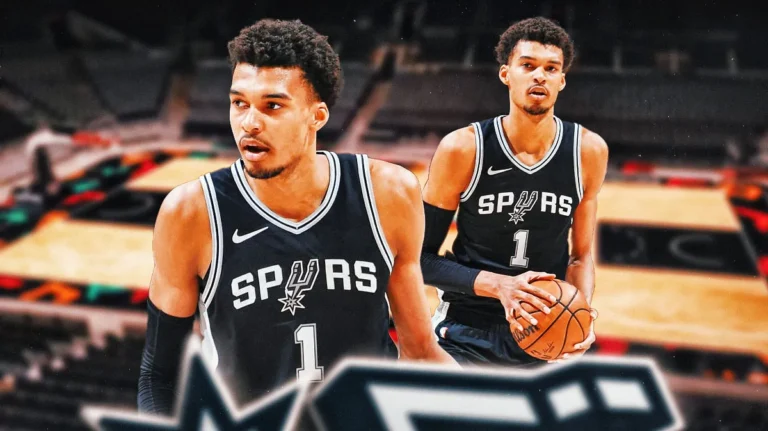
The Spurs did not leave the Finals with a broken blueprint. They left with a sharper list of the possessions Victor Wembanyama should not have to rescue.
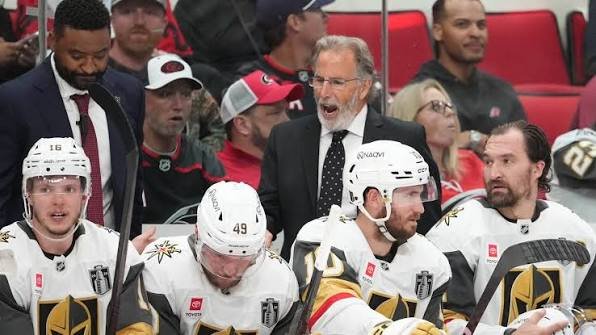
Carolina did not win the Stanley Cup by pressuring everywhere. It won by making pressure arrive with support and a second answer.
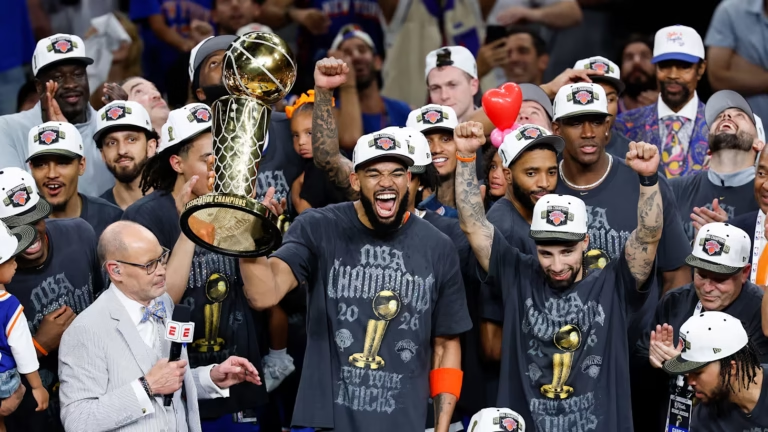
New York’s first title since 1973 came from a team that could win the possession after the first action failed.
MLB.TV is more flexible in 2026, yet the best package still depends less on feature count than on where a fan lives and which games remain elsewhere.
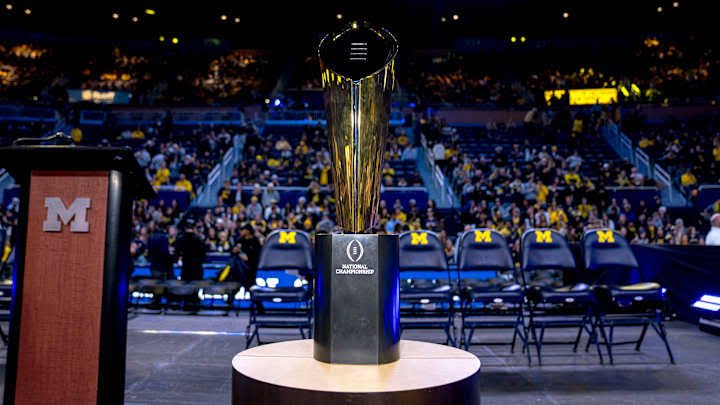
Expanded access does not make early games less important; it changes which risks a contender can afford to take and which margins still matter.
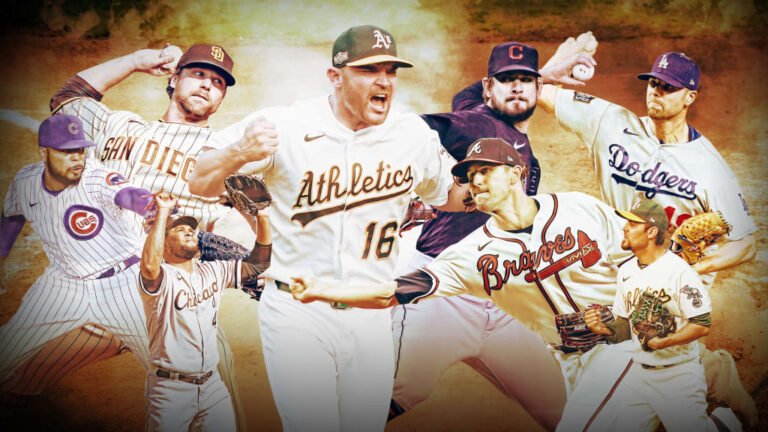
A modern bullpen is not seven isolated arms waiting for assigned innings. It is a sequence designed backward from the most dangerous outs.
The new roster economy will reward programs that price roles accurately, not simply those that spend the most on recognizable names.
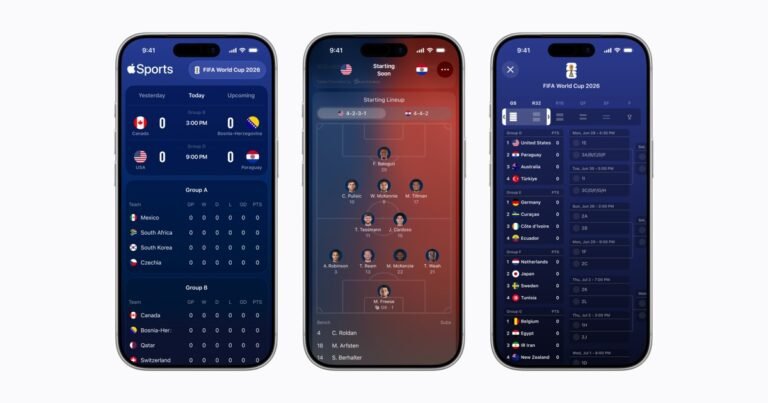
Apple Sports succeeds when it gets out of the way; its next challenge is adding tactical context without losing the speed that made it useful.