Wearables Are Becoming Coaches: What Garmin’s fēnix 9 Strategy Gets Right—and Wrong
The fēnix 9 is not merely trying to record a workout. Garmin wants the watch to influence what the athlete does next, which raises the standard for every recommendation.
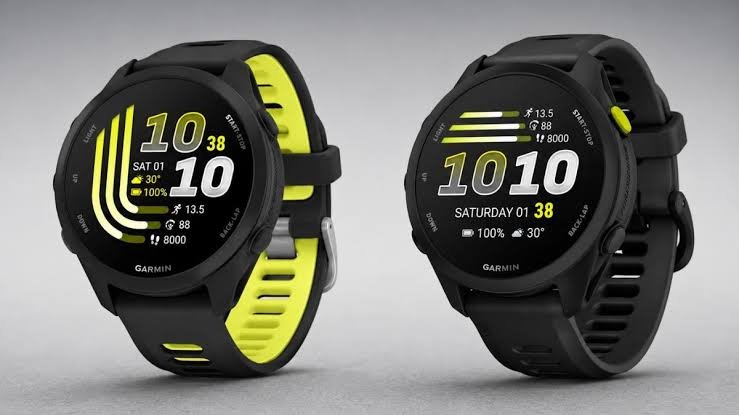
The modern performance watch is moving beyond measurement. Recording pace, heart rate and distance is now the minimum expectation; the competitive frontier is interpretation. Garmin’s fēnix 9 strategy positions the watch as a training adviser that can connect workload, recovery and outdoor context. That is useful because most athletes do not need another screen of numbers. They need help deciding whether today should be hard, easy or different.\n\nThe coaching ambition also creates a higher burden. A recorded metric can be slightly wrong and still be useful over time. A recommendation can change behavior immediately. If a watch tells an athlete to reduce training, extend a session or trust a recovery score, the system must explain enough context to deserve that influence. The fēnix 9 should therefore be judged not only by sensors and battery claims, but by the quality and humility of its guidance.
Integration is more valuable than another metric
Garmin’s strongest advantage is the ability to combine several ordinary signals into one practical view. Sleep, recent load, heart-rate trends, terrain and planned events can be more informative together than any one number alone. The product succeeds when the athlete can understand why a recommendation changed. A readiness score without explanation becomes a command. A readiness score connected to sleep disruption, accumulated intensity and travel becomes a conversation. The interface should emphasize those causes and allow the user to decide whether the model understands the day.
Outdoor context is where the flagship earns its price
A premium multisport watch should provide more than the same wellness dashboard available on less expensive models. Mapping, weather awareness, navigation reliability and battery endurance are the fēnix line’s practical case. The fēnix 9 makes sense for athletes whose decisions change with elevation, route and duration. A runner who trains mostly on familiar roads may receive much of the same core guidance from a cheaper watch. Garmin’s strategy is strongest when it connects coaching to the environment rather than treating every workout as a gym session with GPS.
Recommendations need visible uncertainty
Wearables infer fatigue; they do not observe the full human situation. A watch cannot know that an athlete had an emotionally exhausting day, that a sensor fit was poor or that an illness is beginning unless those signals appear in the data. Good coaching software should present a range, show confidence and make it easy to override a recommendation without framing the user as noncompliant. The watch is most trustworthy when it can say, in effect, “this is what the data suggests, and here is what may be missing.”
Upgrade value depends on the workflow, not the launch list
Feature lists encourage owners to compare individual additions, but the better question is whether the new watch removes friction from a weekly routine. Does navigation begin faster? Are training suggestions easier to interpret? Does battery life reduce charging anxiety before long events? Does the display remain legible in the conditions the owner actually uses? An upgrade is justified when several small improvements change behavior. A new sensor that produces another rarely opened chart is not enough on its own.
The strongest counterargument
This analysis is based on Garmin’s published specifications and product strategy, not a long-term hands-on test of production hardware. Battery life, sensor consistency and interface performance must be validated across real training conditions. Buyers should also compare the fēnix 9 with less expensive Garmin models and competing platforms before assuming the flagship is automatically the best fit.
What to watch next
The next test is whether the feature improves a real decision after the novelty fades. Readers should watch reliability, setup friction, battery or performance cost, accessibility and the quality of the explanation attached to each recommendation. A product can surface more data without making a fan better informed. The useful standard is whether a user can understand why the system reached a conclusion, correct it when context is missing and complete the intended task with fewer interruptions.
Future updates may change the value proposition, so Gamehai will track pricing, platform support, privacy language and documented feature changes. We will also separate manufacturer claims from independently observed behavior and clearly label any assessment that is based on a demonstration rather than long-term hands-on use. The conclusion should change if the product becomes more transparent and consistent—or if real-world use exposes friction that the launch material did not show.
A useful re-evaluation should preserve the conditions around the evidence: opponent quality, score state, available personnel and the choices that created the result. Without that context, a promising trend can become a conclusion too quickly. We will compare the next sample with the mechanism described above, not merely with the final score or headline number. That approach gives readers a clear test for whether the original argument is strengthening, weakening or being replaced by a better explanation.
How Gamehai reached this view
Gamehai reviewed the primary reporting and official material linked below, then evaluated the subject through role, spacing, decision-making, roster construction and repeatable process. We distinguish confirmed facts from our analysis, avoid treating a short sample as a permanent trend and update material errors when better information becomes available. This is independent editorial analysis; no team, league, product maker or commercial partner reviewed or approved the conclusion.
Readers should treat tactical projections as informed scenarios rather than guarantees. Coaching choices, health, opponent adjustments and new regulatory decisions can change the outcome. Our standard is to explain what evidence supports the current view, what could invalidate it and what to watch next.
Editorial bottom line
Garmin gets the direction right: athletes need interpretation more than additional raw data. The fēnix 9 will earn trust when its coaching is explainable, environment-aware and comfortable admitting uncertainty. It will miss the mark if premium hardware becomes a delivery system for confident recommendations that cannot show their work.